
Voyager Technologies Lunar Module Successfully Passes NASA Laboratory Tests
13.10.2026, 16:21·
COLLECTED AND VERIFIED AUTOMATICALLY
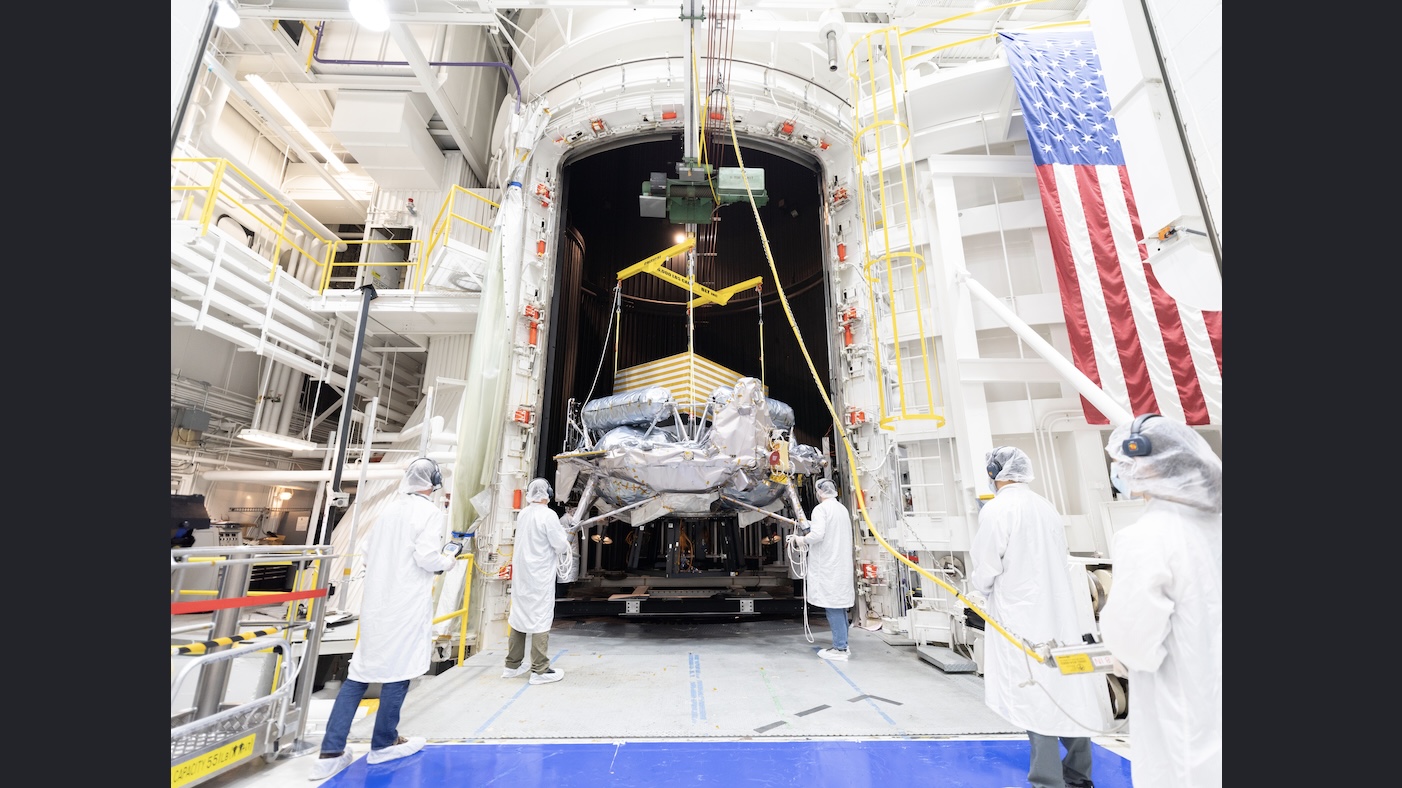
A commercial lunar landing module developed by Voyager Technologies has successfully passed a series of critical tests at NASA's Jet Propulsion Laboratory (JPL) in Southern California. The spacecraft will become a key element of the agency's program to establish the first lunar base in human history.
During testing, the module was subjected to conditions closely mimicking the real space environment. Engineers checked how the device withstands extreme temperature fluctuations and the vacuum of outer space. Special attention was paid to testing resilience against intense vibration and strong noise that occur during rocket launch.
Successful completion of these tests confirms the readiness of the technology for further development stages and brings NASA's ambitious plans for lunar exploration closer to realization. The creation of a permanent lunar base is viewed by the agency as an important step toward future crewed missions to Mars, as well as an opportunity for conducting long-term scientific research in low-gravity conditions.
Commercial partnerships, such as collaboration with Voyager Technologies, are playing an increasingly significant role in NASA's space program. Engaging private companies allows the agency to accelerate the development of necessary technologies and reduce costs for creating infrastructure for long-term human presence beyond Earth.
Details about further testing stages and possible launch timelines for the module have not yet been disclosed. NASA is expected to continue a series of checks before the technology is cleared for an actual lunar mission as part of the broader program to explore Earth's satellite.
This article was generated and published automatically from verified sources. If you spot an inaccuracy, it will be corrected on the pipeline's next pass.