
Curiosity photographed wind formations on Mars
19.10.2026, 19:17·
COLLECTED AND VERIFIED AUTOMATICALLY
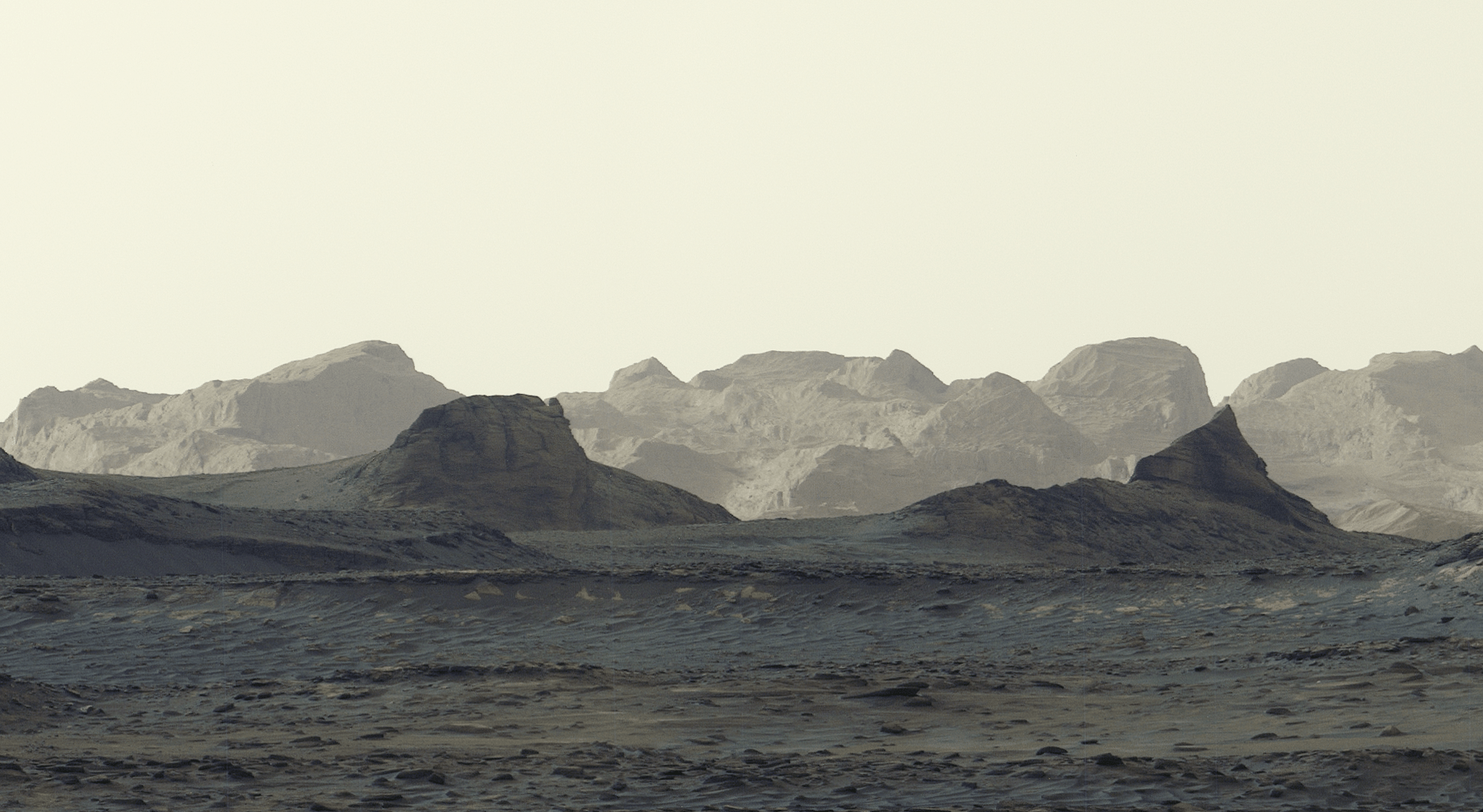
NASA's Curiosity rover has transmitted a new image to Earth showing striking rock formations known as yardangs. These structures form as a result of prolonged wind exposure, which gradually breaks down and polishes rocks, giving them characteristic elongated and streamlined contours. The image represents an enlarged fragment of a wider panorama captured by the rover during exploration of the Martian surface.
Yardangs are considered an important object of study for planetologists, as their shape and structure can reveal much about the climatic conditions that prevailed on Mars in the past, as well as current erosion processes on the planet. Scientists of the Curiosity mission hope that detailed analysis of this rock layer will help better understand the mechanisms of its formation and the history of geological changes in this region of Mars.
The Curiosity mission has been ongoing for more than ten years, and the rover regularly transmits valuable data about the geology, climate, and potential habitability of the Red Planet. Such images not only expand scientific knowledge but also showcase the remarkable natural landscapes shaped by the unique conditions of the Martian atmosphere and centuries-long erosion.
This article was generated and published automatically from verified sources. If you spot an inaccuracy, it will be corrected on the pipeline's next pass.