
NASA SEES Interns Develop Tools for Lunar Missions
26.10.2026, 22:03·
COLLECTED AND VERIFIED AUTOMATICALLY
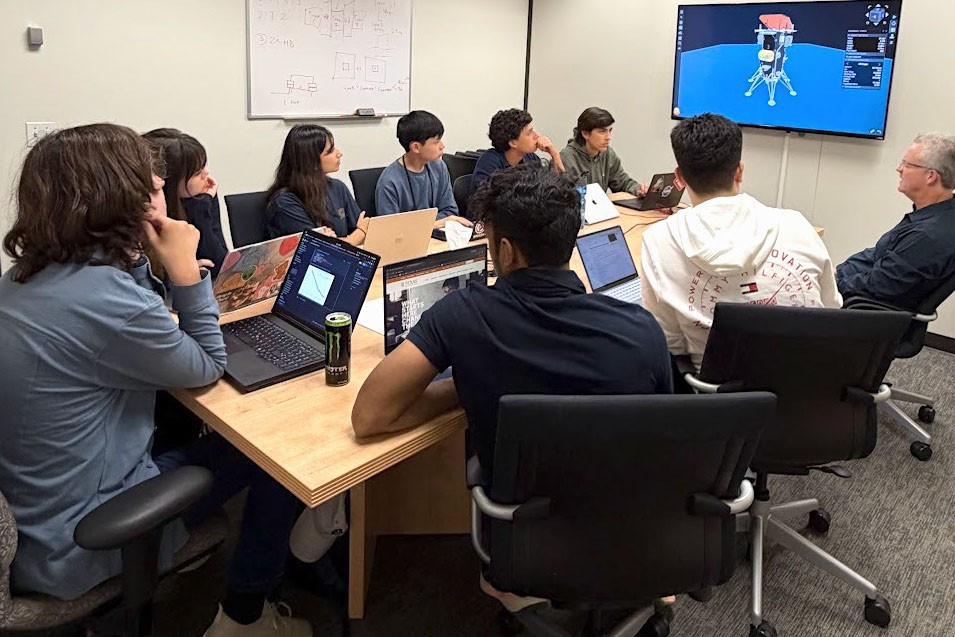
The NASA STEM Enhancement in Earth Science (SEES) program, implemented at the University of Texas Center for Space Research, provides high school students with the opportunity to participate in real scientific research projects related to the space industry. Participants are organized into small teams focused on specific missions and work under the mentorship of NASA specialists, academics, and industry professionals.
In the summer of 2026, one of the program's teams — Mission Architecture Tool for Research, Integration, and eXploration (MATRIX) — will focus on developing an instrument for analyzing the architecture of future lunar missions. This will allow interns to gain a deeper understanding of space mission planning, including logistics, resource allocation, and integration of various systems necessary for successful lunar exploration.
The SEES program is aimed at developing practical skills among students in science, technology, engineering, and mathematics. Through collaboration with professionals from NASA and partner organizations, participants gain experience working on tasks closely aligned with the real challenges of the space industry. This internship format promotes early career guidance for young specialists and prepares a new generation of engineers and researchers capable of contributing to future missions exploring the Moon and other celestial bodies.
The MATRIX project will become part of a broader program that brings together several research teams, each working on its own direction in the field of space technology.
This article was generated and published automatically from verified sources. If you spot an inaccuracy, it will be corrected on the pipeline's next pass.