
Participants in NASA's Year-Long Mars Experiment Complete Isolation
27.10.2026, 21:47·
COLLECTED AND VERIFIED AUTOMATICALLY
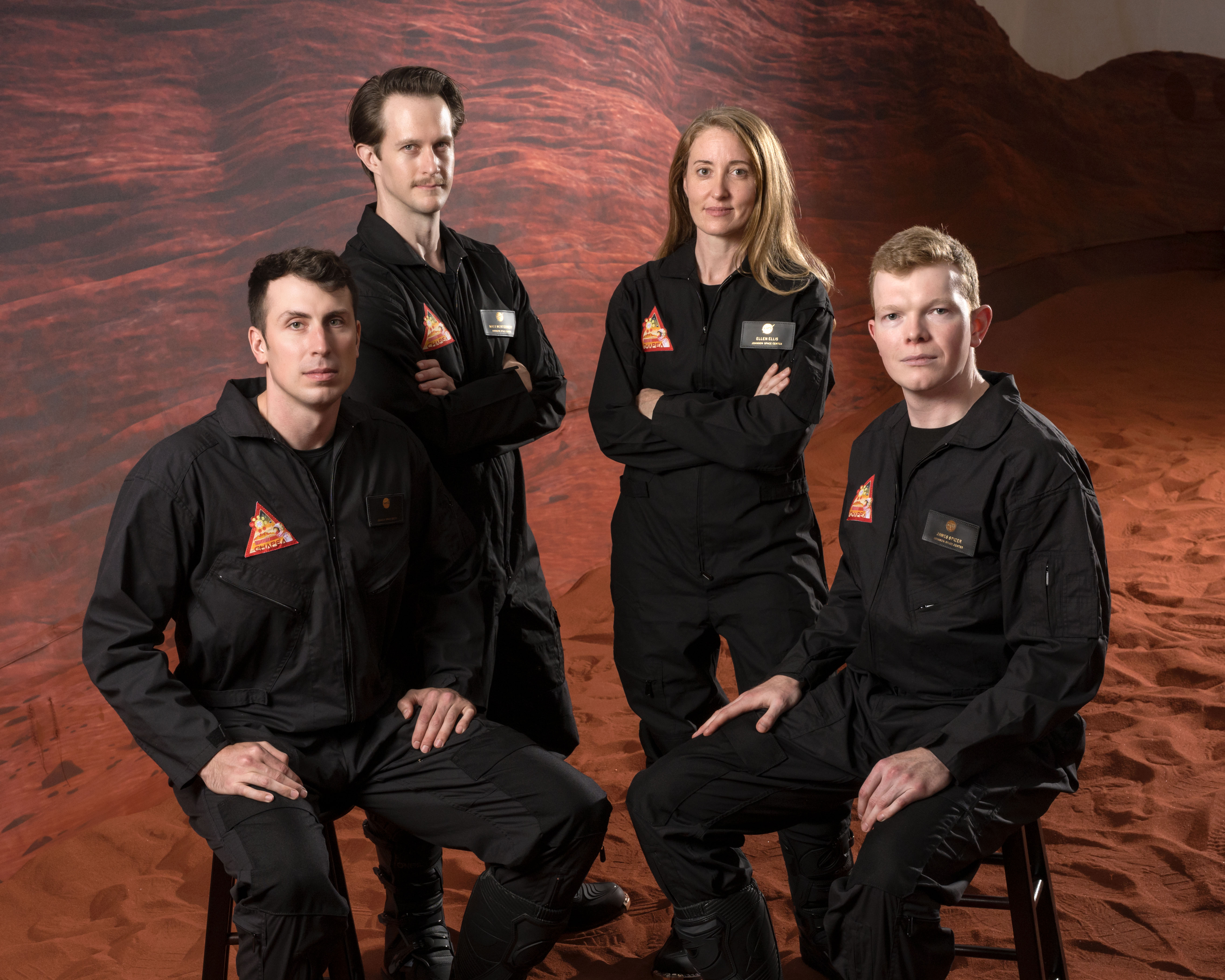
Four volunteers who participated in NASA's simulated Mars mission will leave their isolated habitat on Saturday, October 31, completing 378 days in a specialized complex on the grounds of the Johnson Space Center in Houston. Throughout this time, participants lived and worked in conditions as close as possible to a real Mars mission, including limited access to resources and simulation of communication delays with Earth.
The goal of the experiment is to gather data on the crew's physical and psychological condition, as well as their performance under conditions of prolonged isolation. This information will help NASA develop methods to support future crews embarking on real long-term space missions, including potential flights to Mars.
NASA invited media representatives to be present when participants exit the habitat module to document the completion of this lengthy experiment. The results obtained will be analyzed and used to improve astronaut training programs and life support technologies necessary for interplanetary travel.
This article was generated and published automatically from verified sources. If you spot an inaccuracy, it will be corrected on the pipeline's next pass.