
Arctic sea ice extent reaches 2026 minimum
07.10.2026, 07:59·
COLLECTED AND VERIFIED AUTOMATICALLY
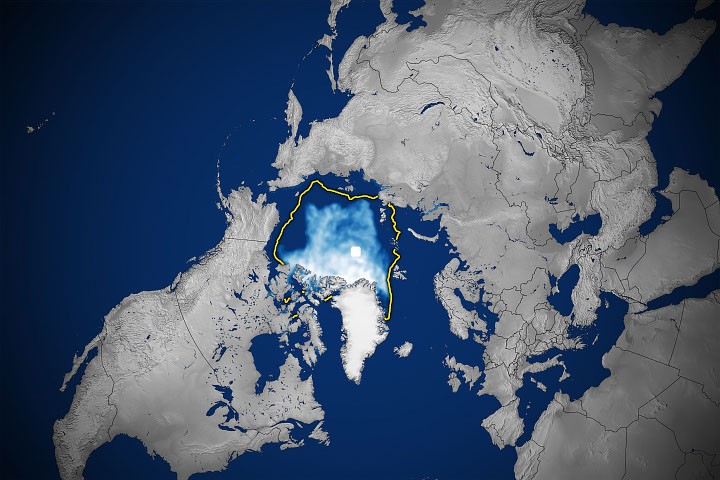
Satellite observations have shown that the area of sea ice in the Arctic reached record minimum values in 2026. The reduction in ice cover was recorded in both winter and summer periods, indicating the persistence of this trend throughout the year. Scientists tracking the state of Arctic ice using satellites emphasize that such dynamics are consistent with data from previous years, demonstrating a gradual decrease in the ice cover area of the region. This phenomenon is linked to climate change and warming in polar latitudes, which is occurring faster than the global average. The reduction of sea ice in the Arctic has significant consequences for the global climate system, including changes in ocean current circulation, impacts on weather conditions in mid-latitudes, and threats to ecosystems dependent on ice cover, such as polar bear and seal populations. Additionally, diminishing ice is opening new shipping routes and potential access to the region's natural resources, which increases geopolitical interest in the Arctic from a number of states. Specialists continue to monitor the situation, noting the need for further research to understand the long-term consequences of ice cover reduction for both regional ecosystems and the planet's climate as a whole.
This article was generated and published automatically from verified sources. If you spot an inaccuracy, it will be corrected on the pipeline's next pass.