
NASA Unveils PRIMA Space Telescope Concept for Studying the Universe in the Infrared Range
07.10.2026, 23:58·
COLLECTED AND VERIFIED AUTOMATICALLY
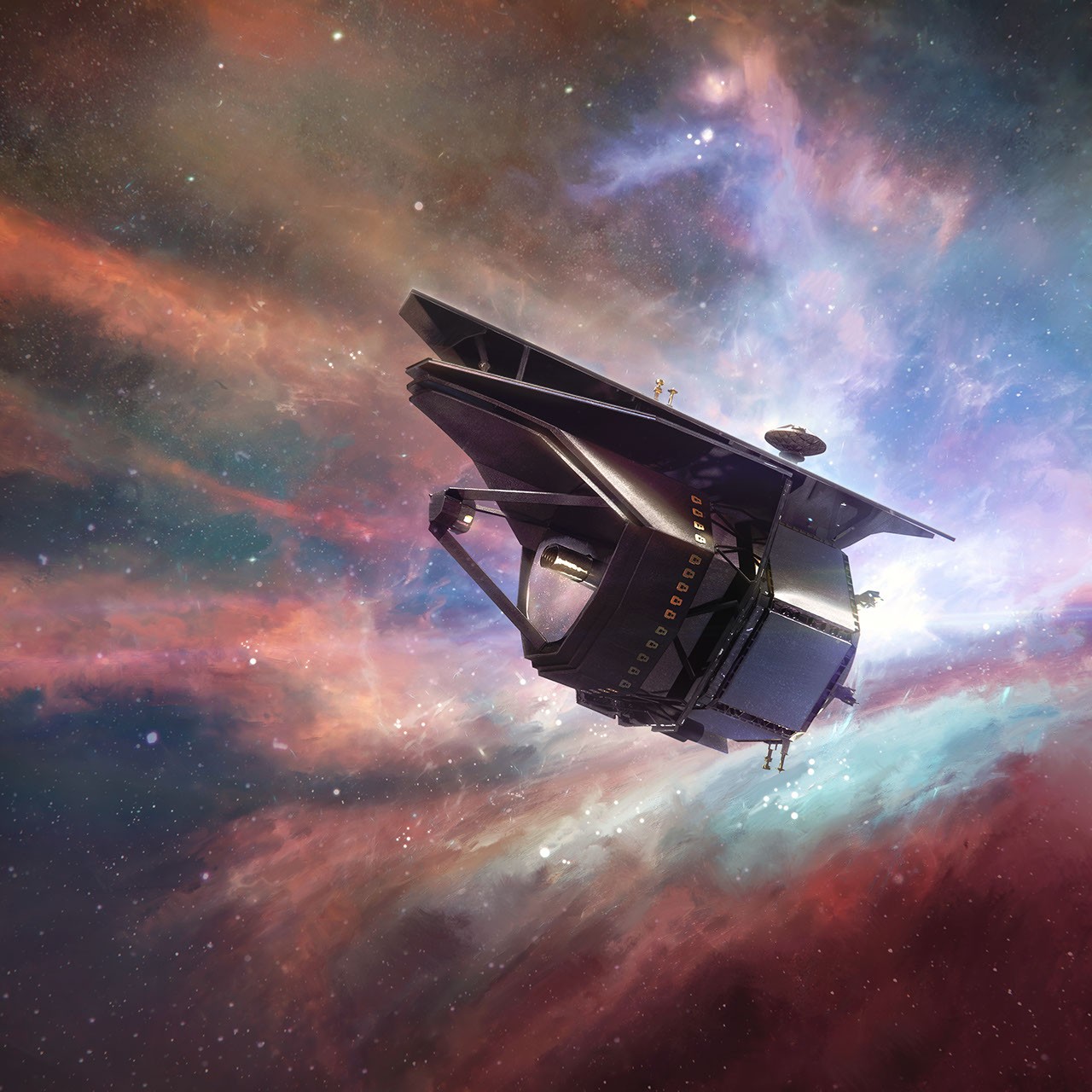
The National Aeronautics and Space Administration (NASA) has unveiled an artistic concept of the PRIMA space telescope (PRobe far-Infrared Mission for Astrophysics) — a new observatory designed to observe the Universe in the far-infrared range. The project was selected by the agency in September 2026.
PRIMA will be the first representative of a new class of NASA astrophysics missions called Probe Explorers, which is implemented within the long-term Explorers Program, known for developing relatively affordable yet scientifically significant space telescopes.
According to the agency, observations in the far-infrared spectrum will enable scientists to study a broad range of cosmic processes and objects that are poorly visible in other ranges of electromagnetic radiation. Such observations are particularly important for understanding star formation, galaxy evolution, and the chemical composition of the interstellar medium, since infrared radiation can penetrate through dense clouds of dust and gas that hide many astronomical processes from optical telescopes.
The presented image demonstrates the expected appearance of the spacecraft, developed during the mission design phase. Precise technical specifications and the launch schedule for PRIMA will be clarified as the project progresses through subsequent development stages; however, the selection of the mission within the Probe Explorers program underscores NASA's commitment to expanding the capabilities of its fleet of space observatories and complementing existing instruments for observing the Universe, such as the Hubble and James Webb telescopes, with a new class of specialized medium-scale spacecraft.
This article was generated and published automatically from verified sources. If you spot an inaccuracy, it will be corrected on the pipeline's next pass.