
Antarctic Sea Ice Reaches 2026 Maximum
12.10.2026, 08:12·
COLLECTED AND VERIFIED AUTOMATICALLY
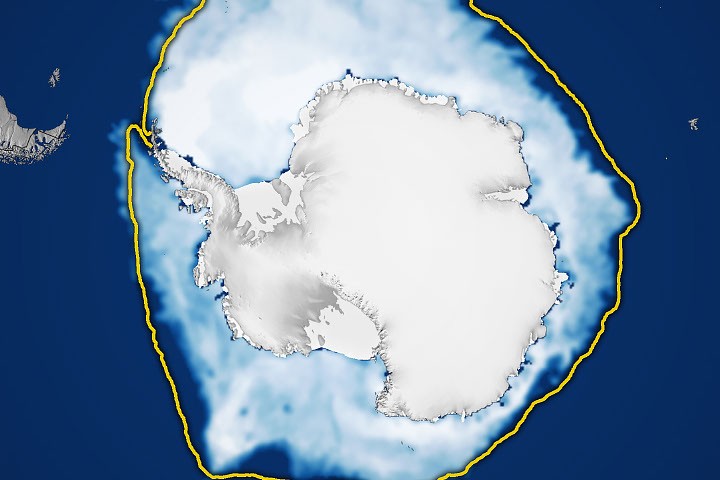
Sea ice in Antarctica reached its maximum seasonal extent in 2026, yet this measure ranked as the third-lowest on record for the entire period of satellite observations. Each year, the ice area around the southern continent increases during winter months and decreases in summer, reaching peak values in September-October. Scientists use satellite monitoring data to track long-term changes in ice cover, which allows them to assess the state of the planet's climate system. The decline in maximum ice extent in recent years is raising concerns among researchers, since sea ice plays an important role in regulating global climate by reflecting solar radiation and influencing ocean water circulation. Observational data show that recent years demonstrate a trend toward reduced ice cover compared to historical averages, although year-to-year indicators may fluctuate. Specialists continue to analyze factors affecting ice cover changes, including ocean temperature, atmospheric processes, and wind patterns in the region. The results of such observations are important for understanding the dynamics of climate change and its consequences both for the Antarctic ecosystem and for global climate models.
This article was generated and published automatically from verified sources. If you spot an inaccuracy, it will be corrected on the pipeline's next pass.