
NASA Develops Batteries for Lunar Missions at the South Pole
14.10.2026, 17:45·
COLLECTED AND VERIFIED AUTOMATICALLY
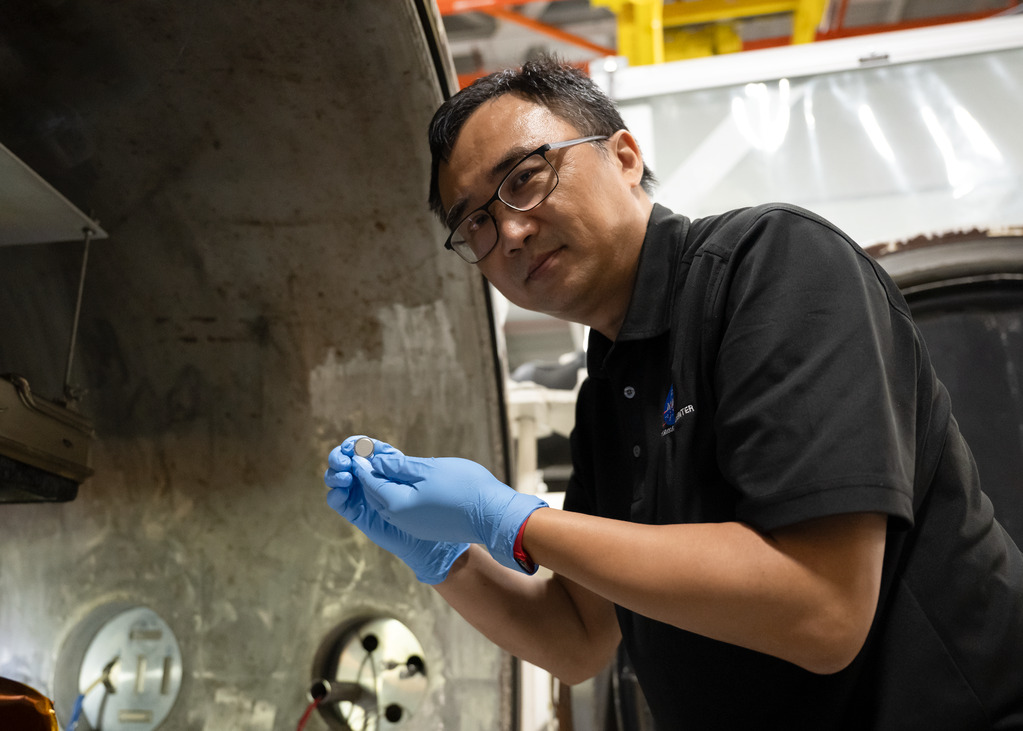
NASA specialists are working on creating batteries capable of functioning in the extremely low temperature conditions of the lunar South Pole, where nighttime temperatures drop to hundreds of degrees below zero Fahrenheit. Conventional batteries used in everyday technology and transportation lose effectiveness at even moderate frost — a familiar problem to any car owner whose vehicle struggles to start on a cold morning. On the Moon, this problem becomes critical: the reliability of power sources determines the operation of equipment, rovers, and astronauts' life support systems.
The lunar South Pole is considered a key area for future missions under the Artemis program because water ice deposits have been discovered there, which could be used to produce fuel, water, and oxygen. However, long cold lunar nights lasting about two weeks create serious engineering challenges for electronics and power systems.
The new batteries being developed by agency specialists are designed to withstand such conditions without losing power, allowing equipment and future habitats to continue operating even during the harshest periods of the lunar night. Creating such power sources is an important step toward sustainable human presence on the Moon and preparation for further missions, including to Mars.
This article was generated and published automatically from verified sources. If you spot an inaccuracy, it will be corrected on the pipeline's next pass.