
New fire outbreaks recorded in tropical Amazon rainforests
15.10.2026, 07:51·
COLLECTED AND VERIFIED AUTOMATICALLY
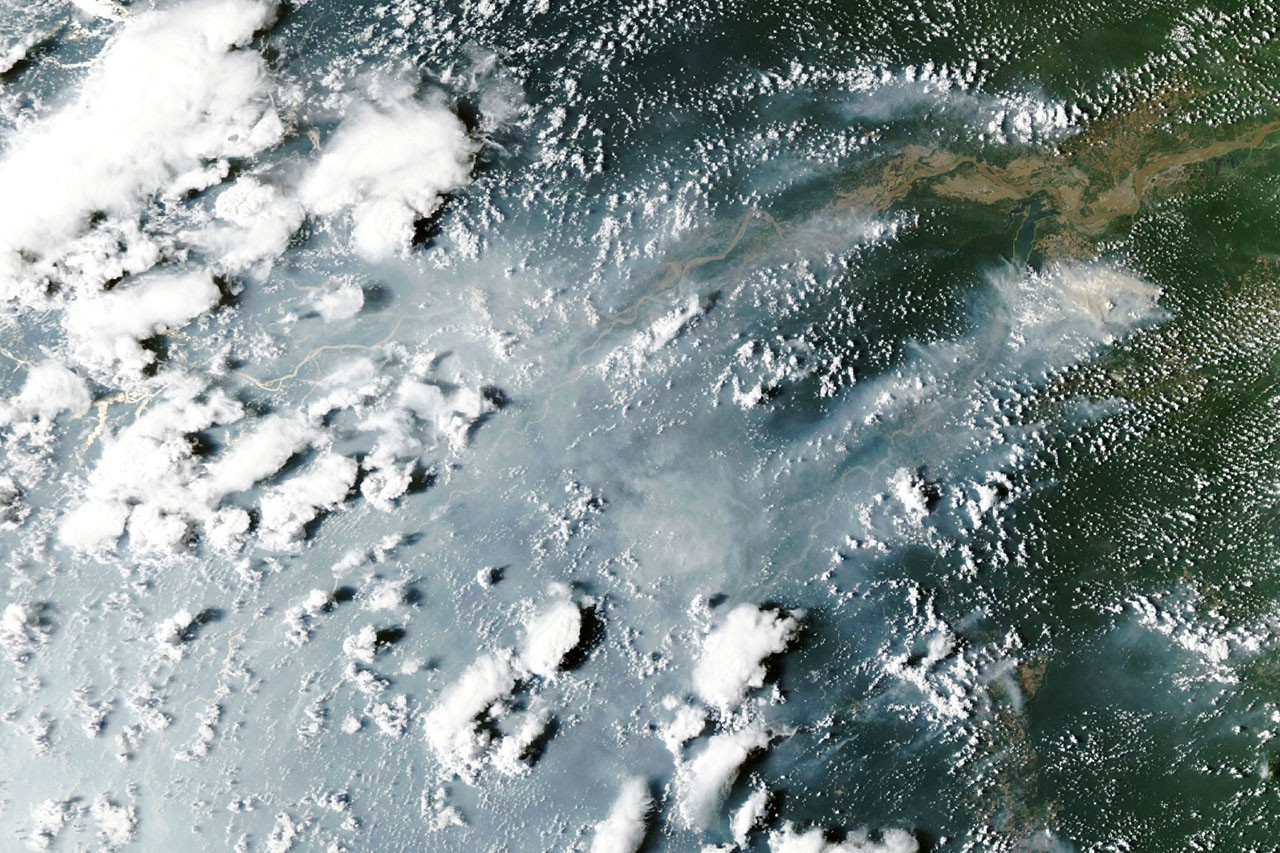
The El Niño phenomenon, linked to warming of surface waters in the equatorial Pacific Ocean, triggers a chain of weather changes affecting tropical regions across the globe. According to observations, the wave of fires began in equatorial Asia, where drought created favorable conditions for fires in forests and peatlands. Subsequently, a similar situation began developing in the central and eastern parts of the Amazon — one of the planet's largest tropical forest massifs. El Niño disrupts typical precipitation cycles, reducing rainfall in certain regions and raising temperatures, creating conditions where vegetation becomes more vulnerable to fire. In the Amazon, such fires represent particular danger, as the forest plays a key role in absorbing carbon dioxide and regulating global climate. Scientists note that the combination of natural climate fluctuations with anthropogenic impact — including forest clearing for agriculture — intensifies the risks of major fires in the region. Monitoring of the situation continues, with specialists tracking the development of fire outbreaks and their potential impact on the ecosystem and greenhouse gas emissions into the atmosphere.
This article was generated and published automatically from verified sources. If you spot an inaccuracy, it will be corrected on the pipeline's next pass.