
Scientists Identify Significant Human Impact on Global Water Cycle
20.10.2026, 08:04·
COLLECTED AND VERIFIED AUTOMATICALLY
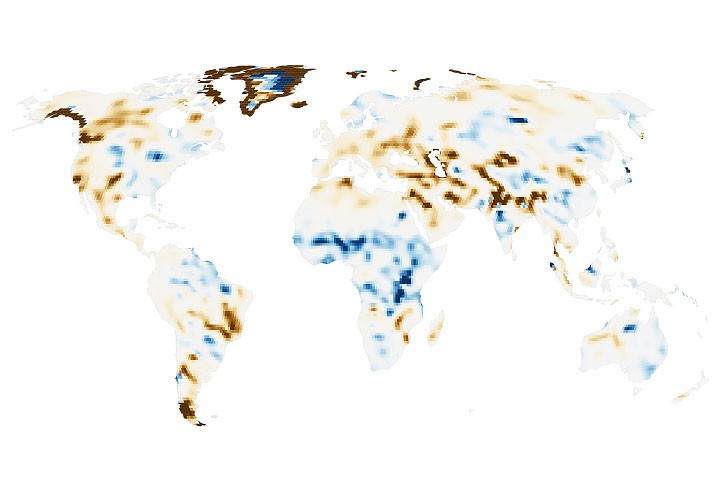
A new scientific study has demonstrated that human activity is increasingly intertwined with natural processes of water distribution on the planet. Scientists analyzed how land use, infrastructure development, resource extraction, and climate change affect the water cycle in different regions of the world. According to the findings, anthropogenic impact has become so significant that it can be considered a separate factor, comparable in scale to natural processes.
Researchers employed new data analysis methods, enabling them to more accurately track changes in the distribution of water resources across continents. The results show that in several regions, human activity leads to the redistribution of water among rivers, groundwater aquifers, and the atmosphere, which may have long-term consequences for ecosystems and freshwater availability.
The authors emphasize that understanding the scale of human intervention in the water cycle is critically important for predicting future climate changes and managing water resources. They note that without accounting for the anthropogenic factor, water cycle models may produce inaccurate forecasts, which is particularly important given the growing freshwater deficit in many parts of the world.
Scientists call for further research in this field and for the development of more sustainable land use and water use practices that could reduce the negative impact of human activity on natural water systems.
This article was generated and published automatically from verified sources. If you spot an inaccuracy, it will be corrected on the pipeline's next pass.