
NASA Advances Development of Nuclear Power Module for SR-1 Freedom Mission
20.10.2026, 21:30·
COLLECTED AND VERIFIED AUTOMATICALLY
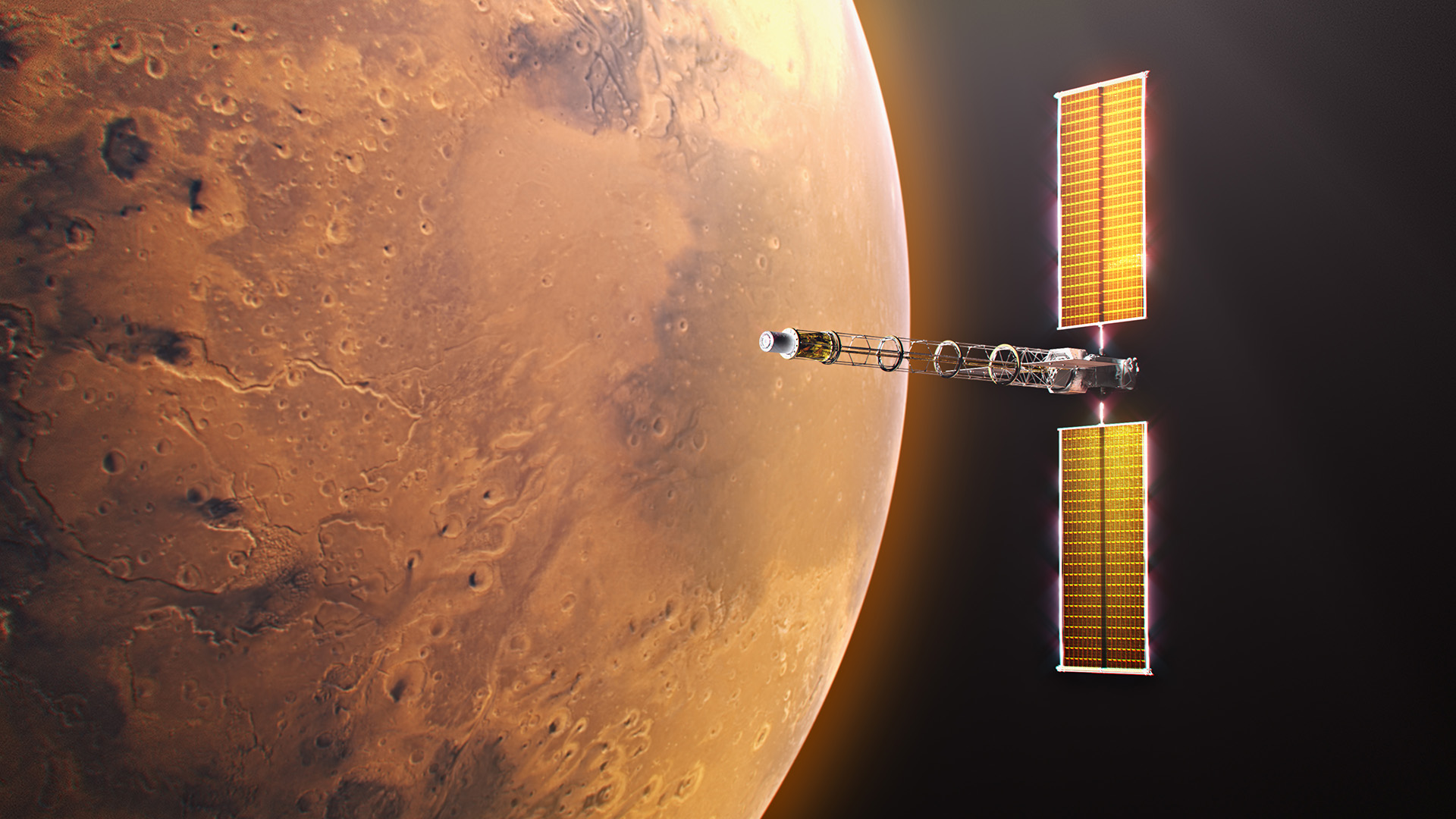
NASA announced advancement in the development of the Space Reactor-1 (SR-1) Freedom spacecraft — a project that will be the first vehicle powered by nuclear fission ever designed for missions beyond near-Earth orbit. The information was presented at a NASA event called "Ignition," dedicated to advanced space technologies.
The primary goal of the SR-1 Freedom mission is to demonstrate the operation of a nuclear electric propulsion system in the conditions of deep space. This technology is considered key for future crewed and robotic missions to Mars and other distant objects in the solar system, as it can provide significantly more efficient and sustained power supply compared to traditional chemical engines and solar panels.
Currently, NASA engineers are focused on developing a key component of the spacecraft — a nuclear power module that will serve as the power source for the entire system. To accelerate the spacecraft's development, the agency is engaging partners and leveraging achievements from related programs involving nuclear technologies for space.
The project is considered a significant step toward the practical application of nuclear energy in space exploration and could substantially expand humanity's capabilities for deep space exploration, reducing flight times and increasing the autonomy of spacecraft.
This article was generated and published automatically from verified sources. If you spot an inaccuracy, it will be corrected on the pipeline's next pass.