
Large-scale wildfires rage across New Guinea amid drought
22.10.2026, 08:18·
COLLECTED AND VERIFIED AUTOMATICALLY
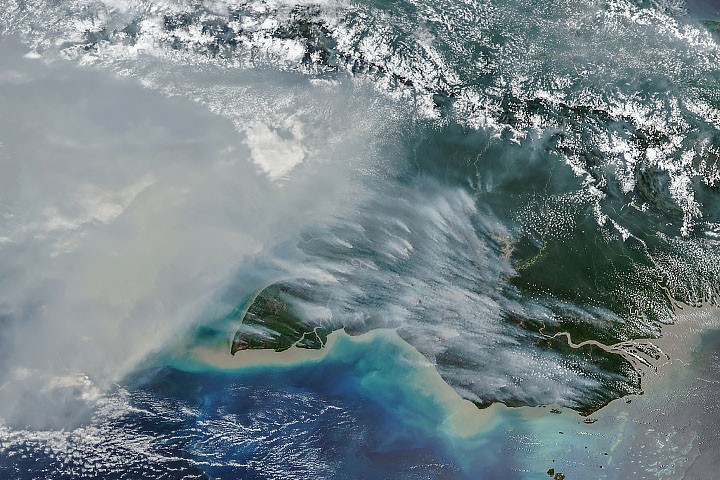
New Guinea island is experiencing a sharp increase in the intensity of forest fires that have engulfed territories on both sides of the island. Specialists note anomalously high levels of emissions associated with the fires, indicating the scale of the disaster. The primary cause of fire spread has been arson committed by humans, but the consequences have been significantly worsened by prolonged drought that has desiccated vegetation and soil. The parched landscape has created favorable conditions for rapid fire spread across vast areas. The situation is causing concern among ecologists, as fires of this scale inflict serious damage on the island's unique ecosystems, which are known for their biological diversity. Emissions from burning vegetation also contribute to deteriorating air quality in the region and add to the increased concentration of greenhouse gases in the atmosphere. New Guinea, divided between Indonesia and Papua New Guinea, regularly faces seasonal fires, but the current situation stands out for its intensity. Experts attribute the increasing frequency of such climate anomalies to global changes in weather conditions, which lead to longer and more severe droughts in tropical regions. Authorities of both parts of the island have not yet reported specific measures to combat the fire, but the situation requires close attention due to potential long-term consequences for local flora, fauna, and the region's climate as a whole.
This article was generated and published automatically from verified sources. If you spot an inaccuracy, it will be corrected on the pipeline's next pass.