
A Rock Similar to Lunar Anorthosite Discovered in Madagascar
05.10.2026, 05:29·
COLLECTED AND VERIFIED AUTOMATICALLY
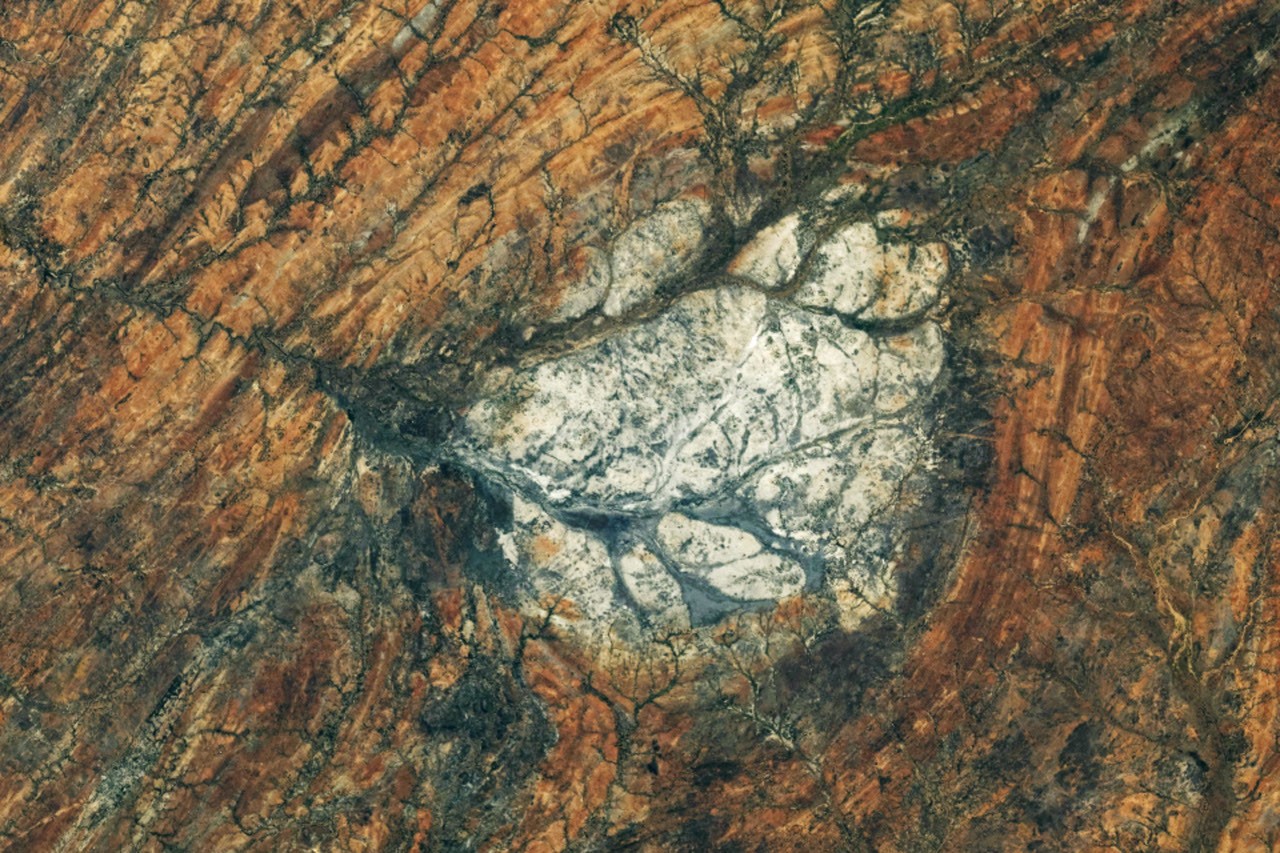
Geologists in southern Madagascar have discovered an unusual geological formation—a light-colored lens of anorthosite, a rock type that is one of the most abundant on the Moon's surface. This mineral occurs within heavily deformed, or schistose, surrounding rocks, making the discovery stand out against the surrounding landscape.
Anorthosite is significantly rarer on Earth than on the Moon, and its presence in certain geological formations is of considerable interest to researchers studying ancient processes of Earth's crustal formation. The rock forms through the crystallization of magma and consists predominantly of plagioclase feldspar, which gives it its characteristic light color.
The study of such formations on Earth helps scientists better understand the geological history of our planet, as well as draw parallels with processes that occurred on the Moon and other bodies of the Solar System during their early formation periods. The similarity between terrestrial and lunar rocks of this type makes it possible to compare the conditions under which the crust of different celestial bodies formed.
The Madagascar discovery attracts the attention of the geological community due to its visual and structural similarity to lunar samples brought to Earth through space missions. Such discoveries underscore the importance of geological research in different regions of the world for expanding our knowledge of planetary evolution.
This article was generated and published automatically from verified sources. If you spot an inaccuracy, it will be corrected on the pipeline's next pass.