
NASA University Grant Helped Drone Engineer Startup Find Its Way
28.10.2026, 20:41·
COLLECTED AND VERIFIED AUTOMATICALLY
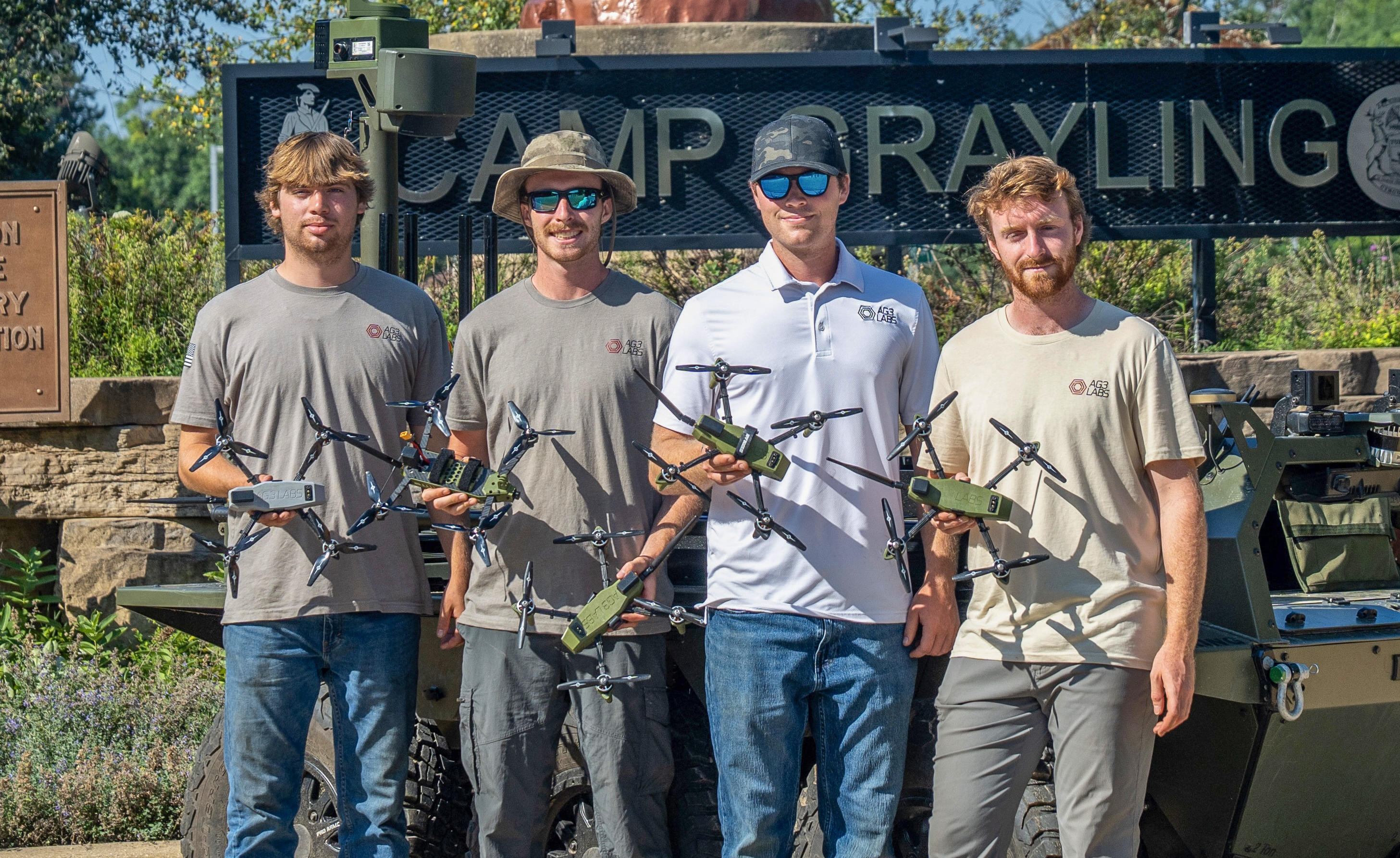
Five years ago, Gavin Gardner, a student in the engineering program at Michigan State University, participated in a research project dedicated to developing next-generation drones as part of a NASA grant. Gardner expected that the scientific work itself would be difficult, but what came as a surprise was that managing the financial side of the project turned out to be an equally challenging task. Although he was accustomed to overseeing other students on technical matters, questions of budgeting, reporting, and resource allocation demanded new skills from him. This experience became a turning point in his career: confronted with the practical difficulties of organizing research work, Gardner began to seriously consider entrepreneurship in the drone field. The lessons he learned as a student—both technical and managerial—subsequently became the foundation of his entrepreneurial path. Gardner's story demonstrates how university programs supported by organizations like NASA can not only develop students' technical competencies but also push them toward creating their own businesses. Such grants often serve as a starting point for future engineers and entrepreneurs, providing them with access to resources, mentorship, and real-world experience working on complex projects.
This article was generated and published automatically from verified sources. If you spot an inaccuracy, it will be corrected on the pipeline's next pass.