
APOD Presents Image of Supernova Remnant Pa 30
07.10.2026, 07:59·
COLLECTED AND VERIFIED AUTOMATICALLY
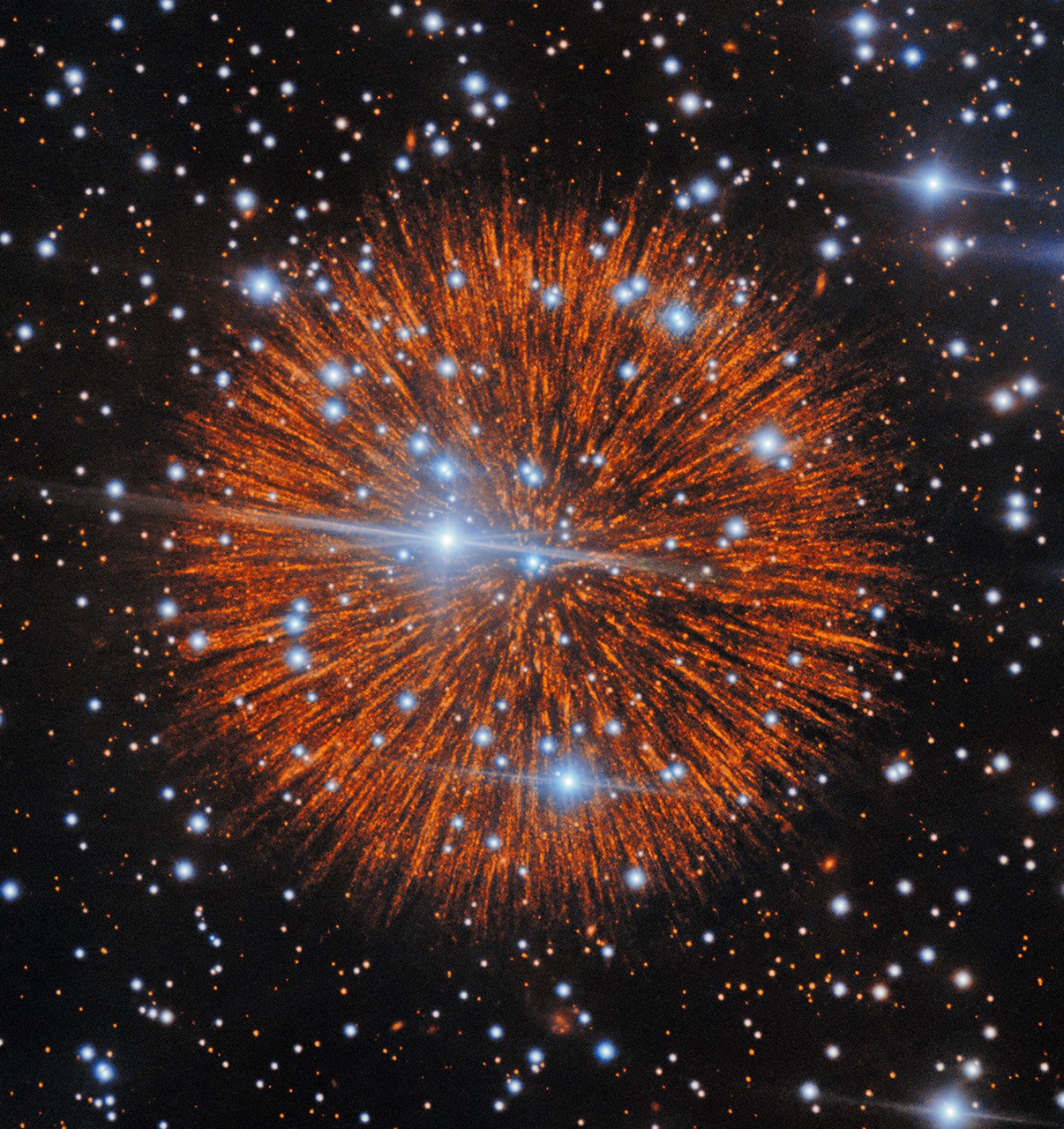
The Astronomy Picture of the Day (APOD) website, which publishes daily images of space with explanations from professional astronomers, presented a new image of the supernova remnant Pa 30. This object is associated with a historical supernova outburst recorded by medieval observers in China and Japan in 1181—one of the few supernovae reliably documented before the invention of the telescope.
Pa 30 is a nebula of unusual structure, formed as a result of an explosion which, according to current understanding, may have been caused by the merger of two white dwarfs—a rare type of thermonuclear explosion, different from classical collapses of massive stars. At the center of the remnant lies a star with an extremely high surface temperature, considered to be the surviving core of the exploded system.
The image published in the APOD section is accompanied by a brief popular science description explaining the nature of the object, its origin, and its significance for studying rare types of supernovae. The APOD project, operating for several decades with support from NASA and Michigan Technological University, regularly introduces a wide audience to remarkable astronomical images, accompanied by accessible explanations.
Publications of this kind help popularize astronomy and draw attention from both amateurs and professionals to the latest advances in studying the far cosmos, including such rare and mysterious objects as supernova remnants like Pa 30.
This article was generated and published automatically from verified sources. If you spot an inaccuracy, it will be corrected on the pipeline's next pass.