
Drought and Aquifer Depletion Threaten Texas Cotton Farming
08.10.2026, 08:05·
COLLECTED AND VERIFIED AUTOMATICALLY
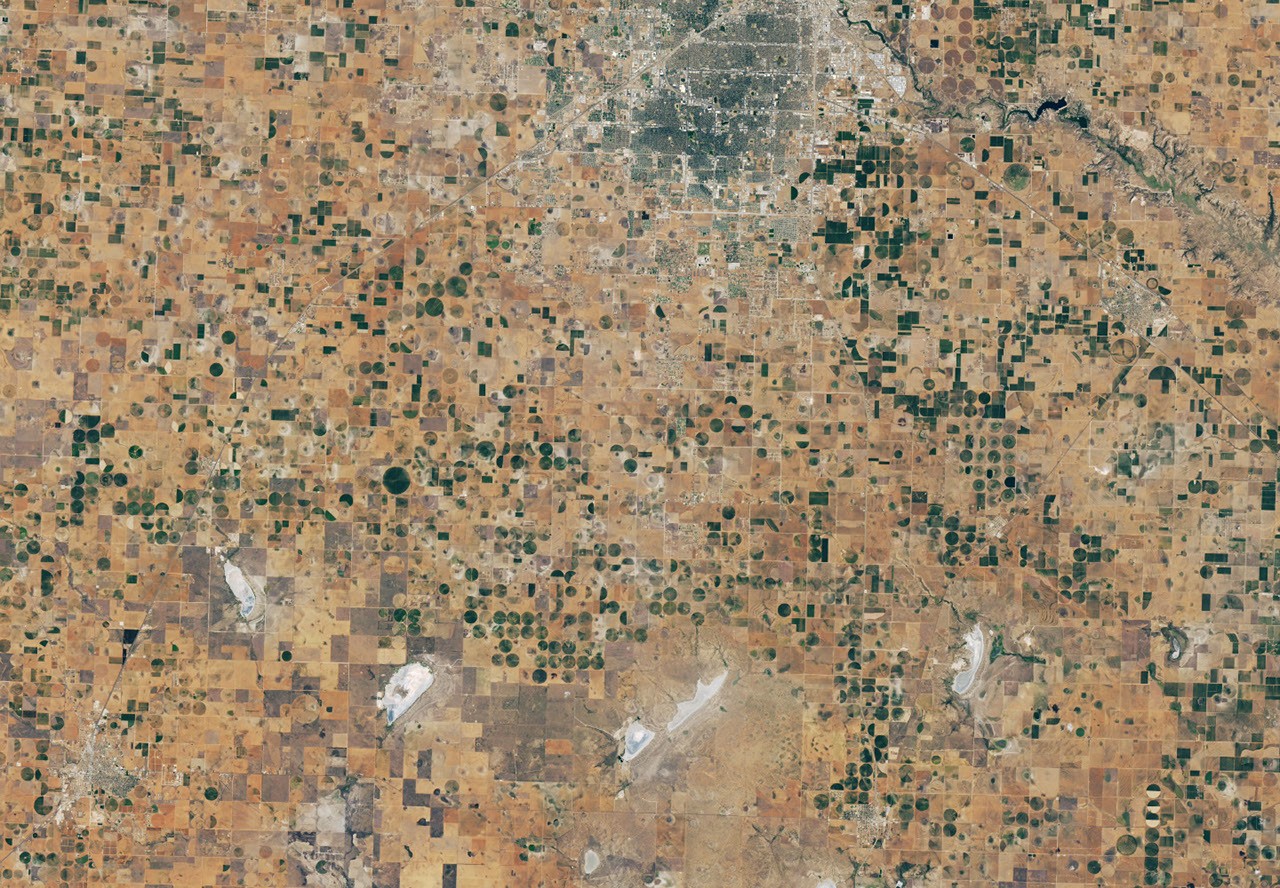
On the Texas High Plains, one of the key cotton-growing regions in the United States, NASA scientists held meetings with local farmers to discuss the consequences of prolonged drought. Particular attention was paid to the condition of the underground aquifer, which has served as the primary water source for irrigation in this arid area for decades.
Specialists noted that water levels in the aquifer are declining faster than it is being naturally replenished, creating serious long-term risks for agriculture in the region. For farmers whose incomes depend directly on cotton crops, this problem is of critical importance, as groundwater depletion could lead to reduced cultivated acreage and decreased productivity.
The meeting was part of NASA's broader efforts to use satellite data and scientific observations to help agricultural communities adapt to changing climate conditions. The exchange of data between scientists and farmers working directly on the land is viewed as an important step toward developing effective water resource management strategies.
The situation in Texas reflects a broader trend observed in many agricultural regions of the United States, where climate change and intensive water use create additional strain on already limited freshwater supplies. Experts emphasize the need for long-term planning and implementation of more sustainable irrigation methods to preserve the viability of agriculture in arid regions.
This article was generated and published automatically from verified sources. If you spot an inaccuracy, it will be corrected on the pipeline's next pass.