NASA Develops Robots for Collaborative Work with Astronauts in Space
04.10.2026, 14:58·
COLLECTED AND VERIFIED AUTOMATICALLY
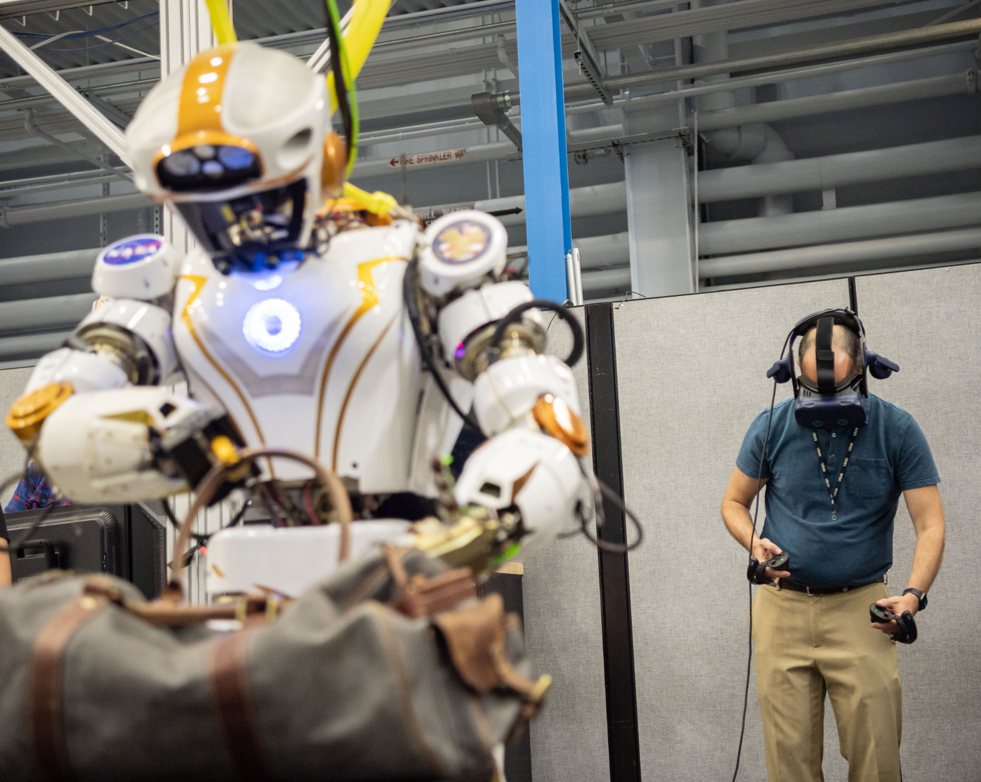
The idea of humans and robots working together in space has long been considered science fiction, but given the growing complexity of NASA missions, such collaboration could become reality in the near future. At the Johnson Space Center, a team of engineers specializing in the development of advanced robotic systems for crewed spaceflights is at work.
According to specialists, robotic technologies play a critically important role in space exploration, as they are capable of increasing crew productivity, reducing operational risks, and expanding opportunities for conducting research in challenging conditions. Such systems can take on routine or dangerous tasks, freeing up astronauts' time for more important scientific and research work.
Development focuses on creating dexterous robots capable of performing precise manipulations comparable in complexity to human hand movements. This is especially important for long-duration missions where human resources are limited and working conditions can be extreme.
The project reflects the broader direction of the space industry's development — a shift from using robots exclusively as autonomous research vehicles to their integration as full-fledged crew partners. As NASA plans more ambitious missions, including lunar exploration and preparation for Mars flights, such technologies are becoming an important element in ensuring the safety and effectiveness of space programs.
This article was generated and published automatically from verified sources. If you spot an inaccuracy, it will be corrected on the pipeline's next pass.