NASA Search and Rescue Technology Saves Five People Where Cell Service is Unavailable
04.10.2026, 15:00·
COLLECTED AND VERIFIED AUTOMATICALLY
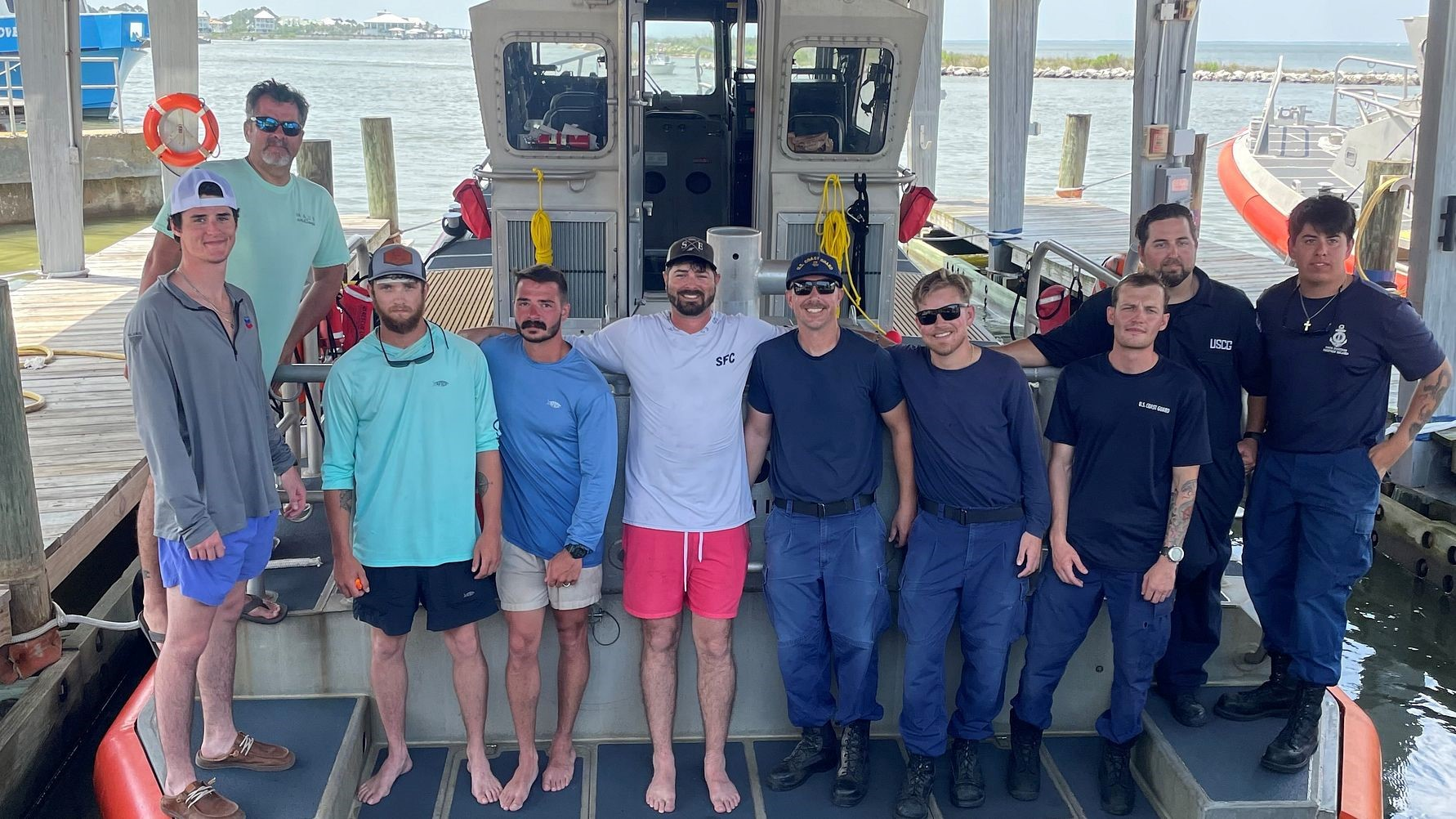
NASA reported the successful application of search and rescue technology developed with the agency's participation, which enables the transmission of distress signals from locations where cellular service is absent. Thanks to this system, five people stranded in inaccessible or remote areas have already been rescued.
The technology is based on the use of satellite communication, making it indispensable in conditions where traditional means of communication are unavailable—for example, in mountains, forests, deserts, or open ocean. Devices operating on this system are capable of transmitting coordinates and emergency signals to rescue services even in the complete absence of cellular coverage.
The development is part of a broader NASA program aimed at creating dual-use technologies that, in addition to space missions, find applications in everyday life on Earth. Such search and rescue systems are becoming particularly relevant for tourists, mountaineers, sailors, and other individuals whose activities involve staying in remote and potentially dangerous places.
The successful rescue of five people confirms the effectiveness and importance of such technologies, which could become the standard safety measure for travelers and explorers of hard-to-reach territories worldwide.
This article was generated and published automatically from verified sources. If you spot an inaccuracy, it will be corrected on the pipeline's next pass.