Lunar eclipse observed over Louisiana at the end of August
04.10.2026, 14:53·
COLLECTED AND VERIFIED AUTOMATICALLY
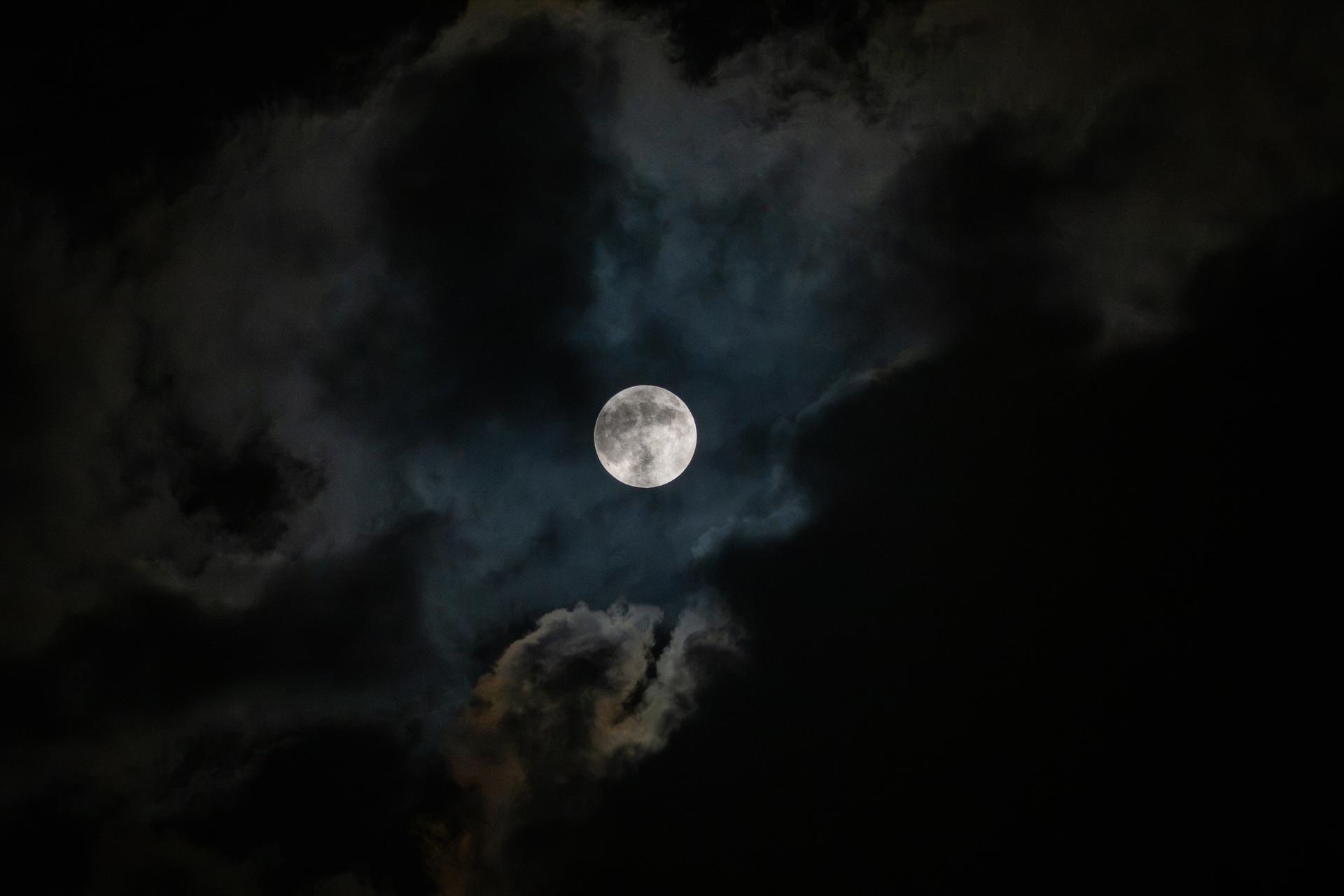
During the period from August 27-28 over the southern part of Louisiana, USA, a lunar eclipse was observed, visible also across much of North and South America, as well as in certain regions of Europe and Africa. The full Moon gradually entered Earth's shadow, and at the moment of maximum eclipse phase, its surface acquired a characteristic dark, reddish-copper tint along the darkened edge — an effect typical of lunar eclipses, caused by the refraction of sunlight through Earth's atmosphere. For residents of some regions of the world, the phenomenon continued until August 28. Observations took place near New Orleans, where NASA's Michoud Assembly Facility is located. This enterprise plays a key role in the American space program: it manufactures stages of the SLS (Space Launch System) launch vehicle and structural elements of the Orion spacecraft, intended for missions of the Artemis program, within which NASA plans to return astronauts to the Moon. Thus, the coincidence of the astronomical phenomenon with the location of an important space production facility gave the event additional symbolic significance, emphasizing the connection between observation of celestial bodies and modern space technologies.
This article was generated and published automatically from verified sources. If you spot an inaccuracy, it will be corrected on the pipeline's next pass.