NASA's Mars Technologies Find Application in Brewing
04.10.2026, 14:59·
COLLECTED AND VERIFIED AUTOMATICALLY
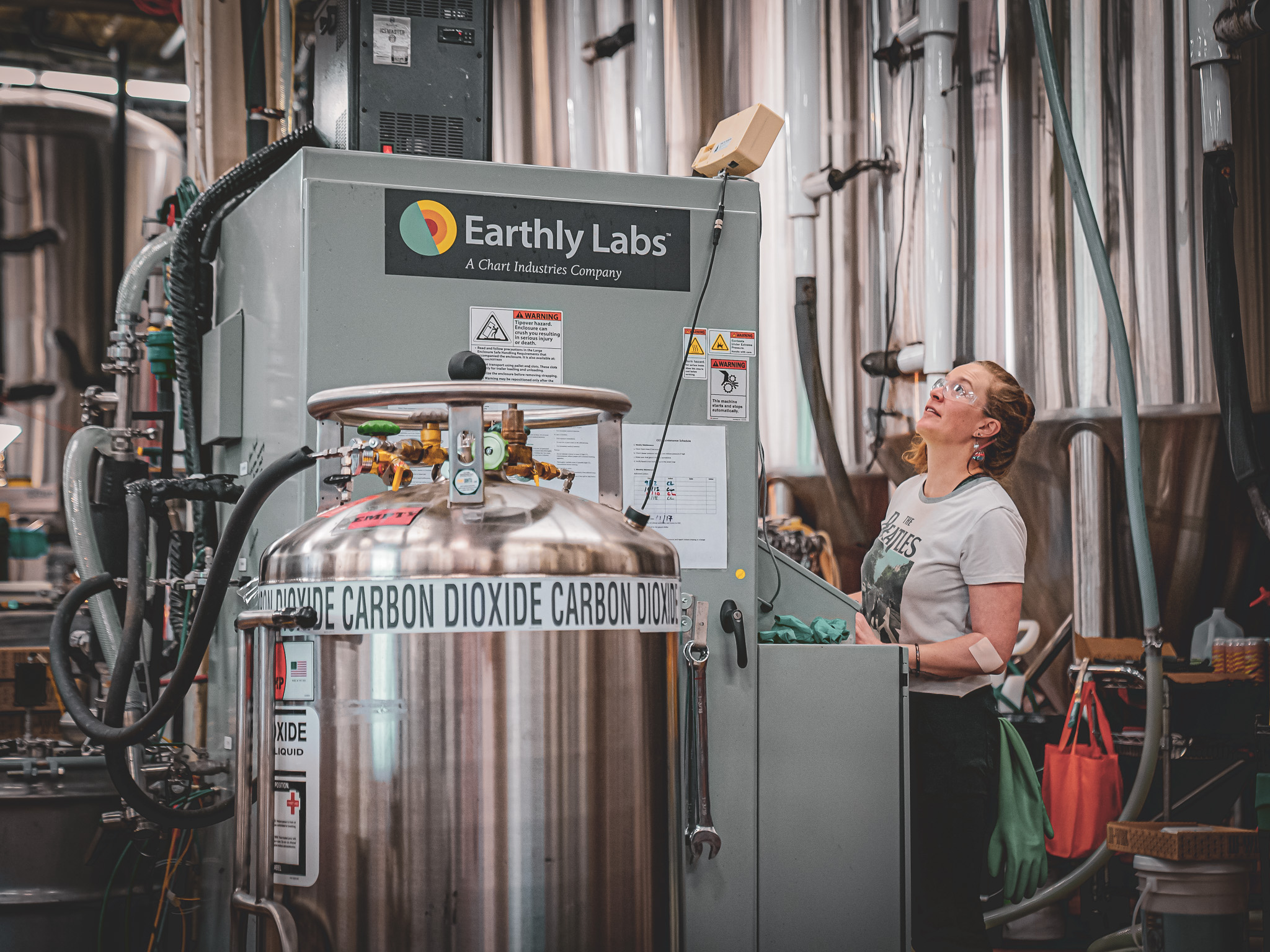
Carbon capture technology created by NASA for future Mars missions has found an unexpected application in Earth's industry — brewing. The developments were originally designed for life support systems on the Red Planet, where it is important to efficiently extract and process carbon dioxide from the atmosphere. Engineers have adapted this technology for the needs of breweries, where carbon dioxide is a byproduct of fermentation. Traditionally, many breweries either release CO2 into the atmosphere or purchase it separately for carbonating beverages, which increases production costs and environmental footprint. The new system allows capturing carbon dioxide directly during the fermentation process and reusing it for carbonation of the finished beer. This not only reduces producers' costs but also decreases greenhouse gas emissions. The technology is gradually spreading among small craft breweries seeking ways to optimize production and reduce environmental impact. Developers note that such transfer of space technologies to terrestrial industries demonstrates how innovations created for exploring other planets can bring practical benefits to Earth. Experts believe that similar examples of adaptation of aerospace developments could serve as a model for other industries striving for sustainable development and reduction of their carbon footprint.
This article was generated and published automatically from verified sources. If you spot an inaccuracy, it will be corrected on the pipeline's next pass.